Celebrating Women in Beekeeping

Hard to believe March is upon us already. Not to sound ungrateful, mind you, because spring is my absolute favorite season.
This happens every year however. Markets close, hives get wrapped up, and it feels like it will be forever until spring.
So we shift our focus.
Winter becomes a season of its own rhythm. We move into the winter holidays, wax crafting, cleanup, and equipment repair. That carries us through November and December. Then we head to conferences for learning and connecting about all the bee things.
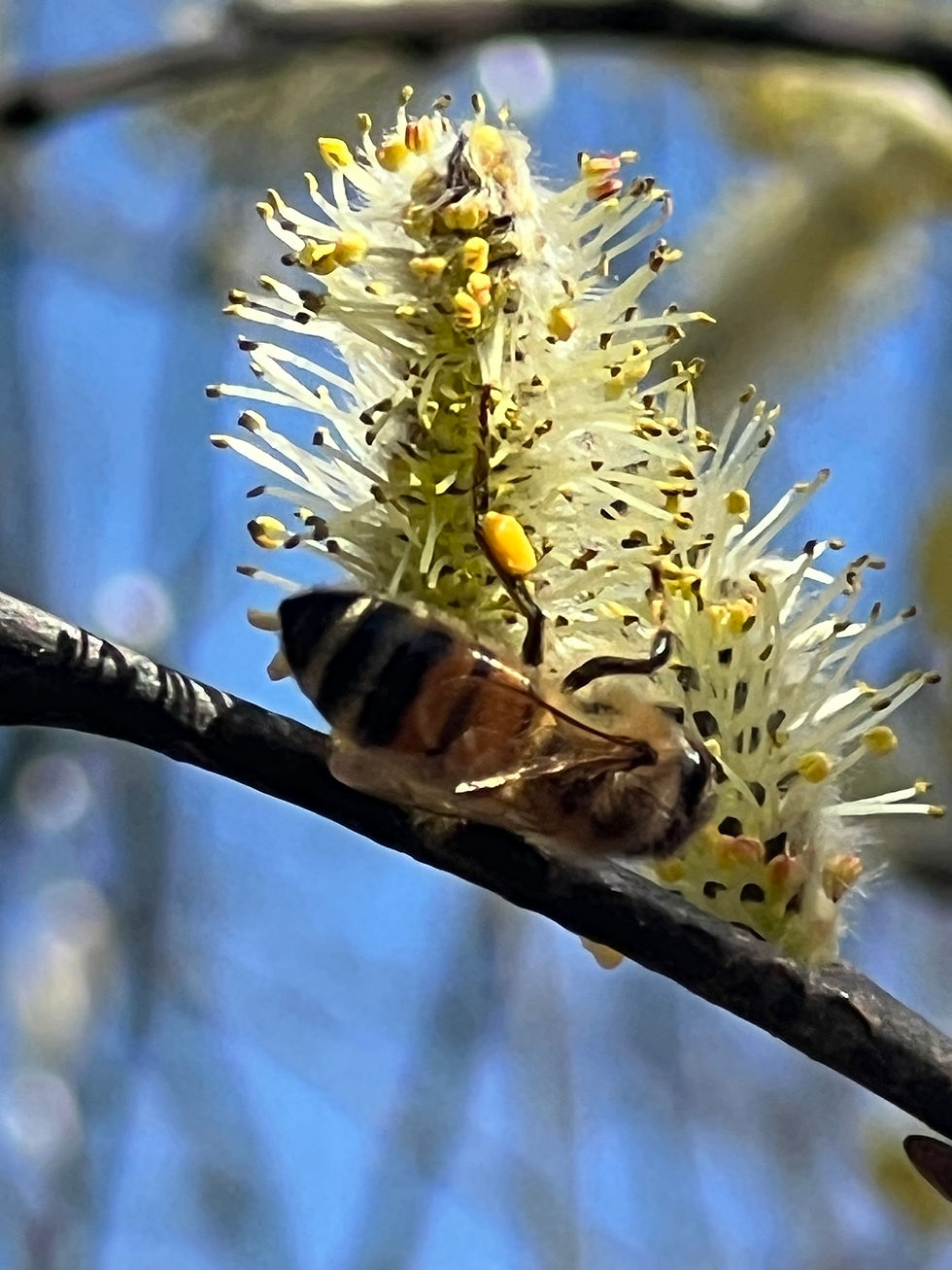
That gets us buzzing through January and February as planning begins for our next apiarian adventures. Before you know it there are early signs of life in the hives, buds appearing on the trees, and the soil begins to give way to the tiny nubs of next month’s blooms. The excitement for the coming season of bees and markets slowly ramps up.
And with March, which arrives with the first hints of spring, there is another wonderful reason to celebrate.
It is Women’s History Month, a time to recognize the women who have shaped our world through courage, curiosity, and quiet determination. This year carries an extra bit of sweetness for agriculture as 2026 has been recognized internationally as the Year of the Woman Farmer, highlighting the vital role women play in feeding communities, stewarding land, and caring for pollinators.
In the beekeeping world, women have long been part of the story. Some worked quietly behind the scenes tending hives, while others stepped forward as scientists, educators, and advocates for bees.
Today we want to shine a light on a few remarkable women whose work is just a small peek into the many exciting areas of interest that are found in a beehive.
Marina Marchese: Elevating Honey to an Art
Marina Marchese is often called the world’s first honey sommelier, and she has helped transform the way people experience honey. Through her writing and teaching, she shows that honey is as nuanced and complex as wine. Different flowers create different flavors, colors, aromas, and textures.
Marchese is the author of books such as Honeybee and The Honey Connoisseur, and she founded the American Honey Tasting Society, bringing sensory education to beekeepers and honey lovers alike.
Inspired by her work? Stop by Three Bees and meet our ‘Bee-ristas’ and enjoy a honey tasting. It’s a wonderful way to explore the incredible diversity of honey while learning to recognize the floral stories inside every jar.
Eva Crane: The Historian of Bees
Born in 1912, Eva Crane began her career as a physicist. After World War II she received a beehive as a gift, and that simple gesture sparked a lifelong fascination with honey bees.
Crane went on to travel to more than 60 countries, documenting traditional beekeeping methods and the cultural importance of honey. Her monumental book The World History of Beekeeping and Honey Hunting remains one of the most important references in beekeeping history.
Her research connected science, culture, and agriculture, preserving centuries of bee knowledge that might otherwise have been lost.
Marla Spivak: Champion of Bee Health
Few scientists have influenced modern beekeeping as profoundly as Marla Spivak. As an entomologist, she helped identify hygienic behavior in honey bees, a natural trait that allows colonies to detect and remove diseased brood, improving hive health.
Spivak has also spent years researching Propolis, the resin bees gather from trees to line and protect their hives. Her research revealed that propolis plays an important role in colony immunity.
For humans, propolis has gained attention as well. Many people now use it in natural health products such as tinctures, throat sprays, and even propolis tooth powder.
Agnes Baden-Powell: Teaching Through the Hive
Agnes Baden-Powell, born in 1858, is best known for founding the Girl Guides, but she was also deeply fascinated by bees.
She maintained her own apiary and believed that beekeeping offered powerful lessons for young people. Observing the hive taught cooperation, responsibility, and respect for nature. For Baden-Powell, bees were not just insects. They were teachers.
That spirit resonates with us at Three Bees and continues today through our educational programs and community classes, including Three Bees Beekeeping Classes, where new beekeepers learn the art and responsibility of caring for pollinators.
Frederique Keller: Healing with the Hive
Frederique Keller has helped bring apitherapy, the medicinal use of hive products, into modern conversation. As a licensed acupuncturist and apitherapist, she has worked extensively with the healing potential of bee products such as honey, pollen, propolis, royal jelly, and bee venom.
Through her leadership in the American Apitherapy Society, Keller has helped educate practitioners and the public about the therapeutic possibilities within the hive.
Stay tuned for more on apitherapy from Three Bees as we continue expanding our services and educational offerings to include more medicine from the hive than ever before.
Celebrating the Women Behind the Hive
From scientists and educators to healers and honey sommeliers, women are found in many interesting and varied roles in beekeeping. Their work reminds us that the hive is more than a source of honey. It is a gateway to science, agriculture, health, community, and dare I suggest spirituality.
As we celebrate Women’s History Month and the International Year of the Woman Farmer, it is a perfect time to honor the women who continue to nurture bees and the landscapes they depend on.
And if you’re curious about the flavors of honey, the magic of bees, or even starting your own hive, stop by Three Bees. We'd love to talk bees and honey with you. Experience a honey tasting or join us for a beekeeping class, it might 'bee' just what you needed!


Comments